


About Carlisle Collective
Therapy is a human art. Not an algorithm, not a transaction, not a formula.
Who we are
Carlisle Collective is a depth-oriented group therapy practice based in Austin, Texas. We work with adults, teens, and couples navigating trauma, anxiety, chronic illness, relationship patterns, life transitions, and the complexity of being a deeply feeling human in a demanding world.
We are not a directory. We are not a platform. We are a carefully curated community of clinicians who were chosen not just for their credentials, but for their clinical depth, their relational warmth, and their genuine commitment to doing work that matters.
How we started
Carlisle Collective was born during the pandemic, which is perhaps fitting for a practice built around the belief that human connection is irreplaceable.
Before founding the practice, Sarah Osmer had spent years working alongside therapists she genuinely liked. These were people she could turn to between sessions, think through hard cases with, and grow alongside. When the pandemic arrived, and everyone retreated to separate home offices, that sense of camaraderie disappeared almost overnight. The isolation was real, and it was clarifying.
With extra time and a growing conviction that something needed to be built differently, Sarah became a board-certified supervisor. And quickly, something unexpected began to happen. Therapists she genuinely respected — people she could learn from, think alongside, and trust — began reaching out. One after another, almost serendipitously, the right people kept finding their way to her.
What emerged wasn't a business plan. It was a community.
Sarah had experienced what so many therapists experience in group practices: disconnection, siloed work, opaque pay structures, colleagues who felt more like strangers than collaborators. She knew exactly what she didn't want to build. And she had a clear vision of what she did: a practice where therapists feel genuinely supported, where clinical growth is taken seriously, and where the culture of care extends to the people doing the caring.
How we work with clients
At Carlisle Collective, we believe real change happens through genuine connection, careful attention, and work that goes beneath the surface. Our therapists are trained in depth-oriented, experiential, and attachment-based approaches — including EMDR, trauma-informed care, and nervous system regulation work — but what unifies them isn't a single modality. It's a shared belief that therapy should go deeper than symptom management.
We also believe that finding the right therapist matters enormously. That's why we have Kendall, our client care coordinator, who helps match every new client with the therapist who's genuinely the right fit (not just whoever has the quickest availability).
And now, we offer therapy at multiple fee levels, including through our Accessible Care Program, so clients can find the right fit both clinically and financially.
How we work with clinicians
Carlisle Collective operates on a model that's relatively rare in group practice: clinicians are supported, supervised, and genuinely invested in — not just employed.
Many of our therapists began their training here as graduate students, completing their practicum and internship hours within the practice before growing into licensed associates and eventually fully licensed clinicians. That pipeline isn't accidental: it's intentional. It means our team shares a common formation, a common culture, and a genuine sense of history with each other.
Therapists at Carlisle Collective consult with one another, receive ongoing supervision and mentorship, and work within a pay structure that reflects the value of their work. We exist to shape and support clinicians with the same care and intention we offer our clients.
In a landscape increasingly dominated by tech-driven, venture-backed mental health platforms, we are reclaiming therapy as a deeply personal, relational, and sacred practice.
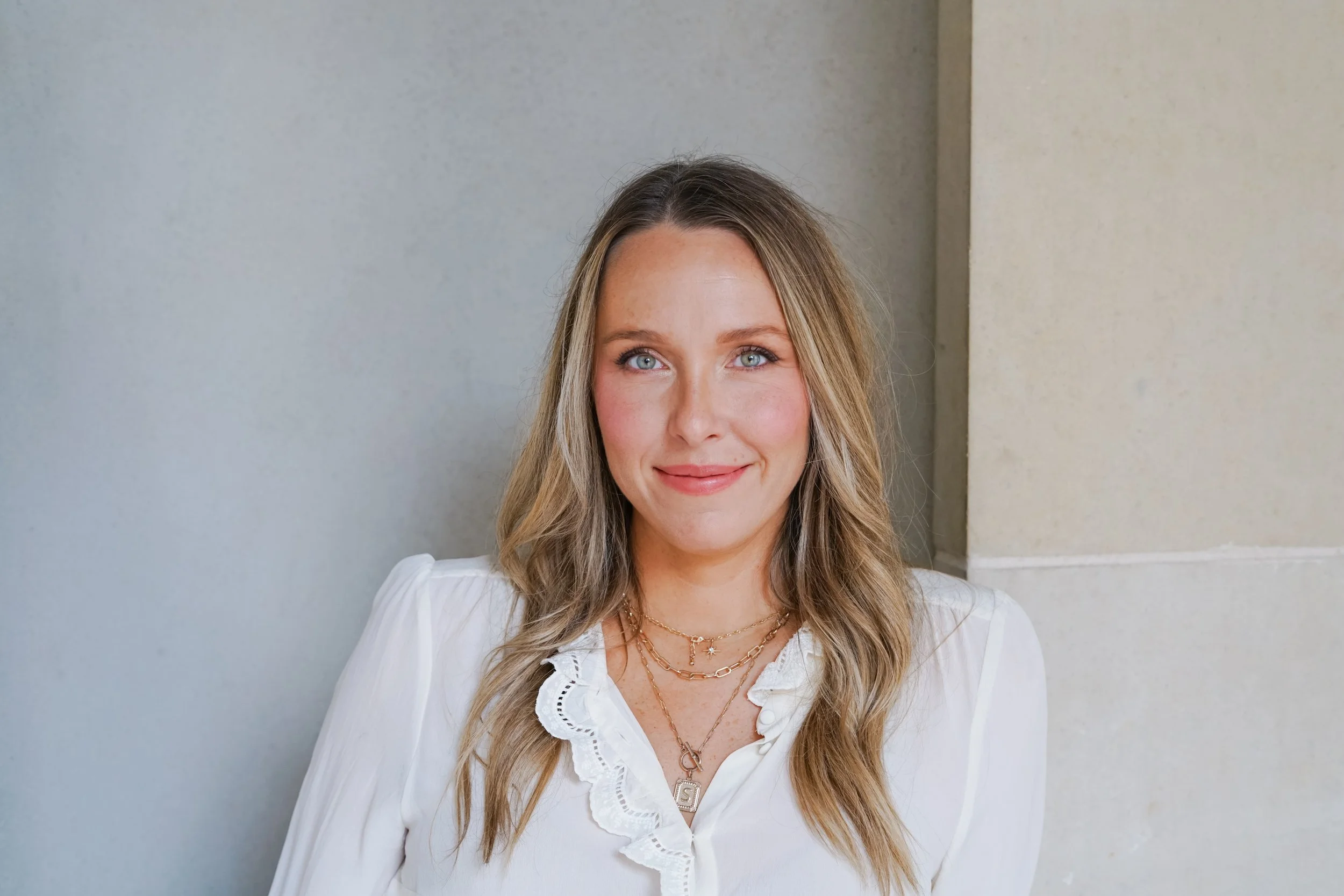
A note from Sarah
I built this practice because I wanted to create something I never got to experience: a place where therapists actually want to work, where clients feel immediately understood rather than processed, and where the quality of the relationships inside the practice shapes the quality of the work outside of it.
I'm proud of what this community has become. And I'm grateful every day for the therapists who trusted me enough to build it with me.